
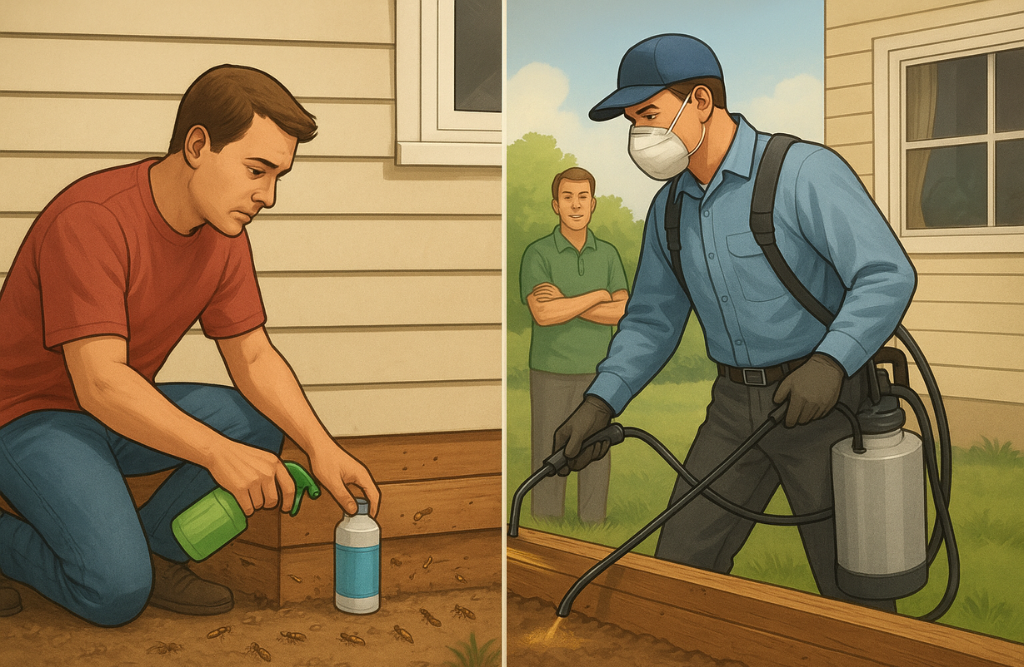
Termites are one of the most destructive pests that homeowners face. They work quietly, stay hidden, and cause damage long before you realize anything is wrong. Once they enter a structure, they can chew through wood, flooring, and even wallpaper. Because of this, the choice between DIY treatment and hiring a professional becomes an important decision for the long term health of your home.
This guide explains how both approaches work, what they cost, how effective they are, and when it makes sense to turn to a home termite control company for help. The goal is to give you clear, dependable, and practical information so you can make the right choice for your situation.
Understanding How Termite Control Works
Before comparing DIY and professional options, it helps to understand how termite treatment actually works. Termite control focuses on three things: identification, elimination, and prevention. Each part plays a role in long term protection.
Termite identification
A successful treatment plan starts with knowing which species you are dealing with. The most common types are subterranean, drywood, and dampwood termites. Subterranean termites need soil and moisture to survive. Drywood termites nest inside dry wood and do not need soil contact. Dampwood termites prefer areas with high moisture levels.
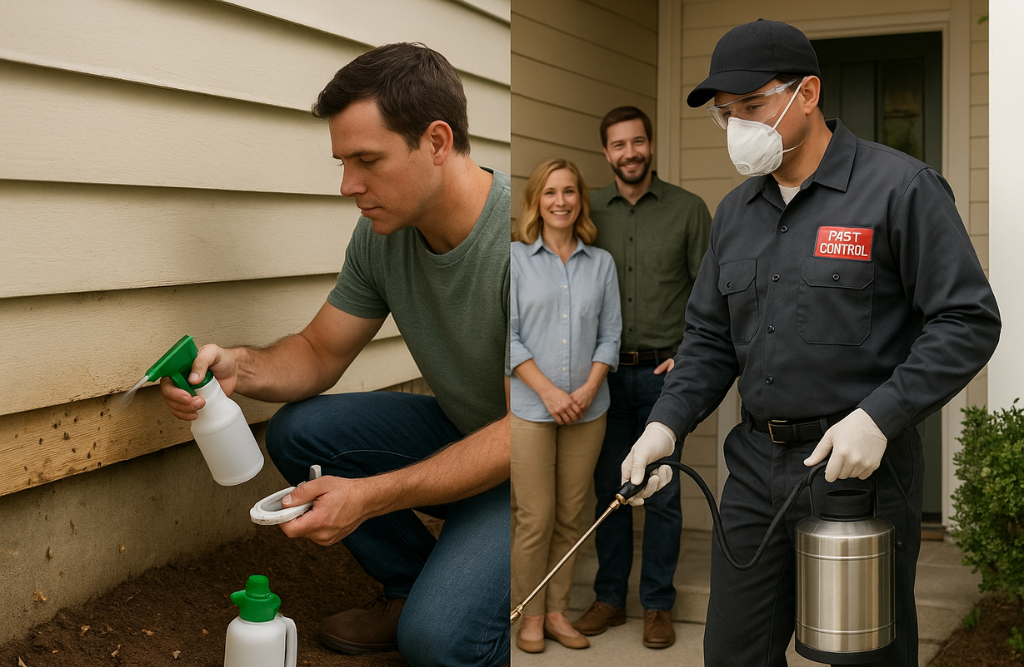
Different species require different methods. Misidentifying them can lead to wasted time, wasted money, and ongoing damage.
Termite elimination
Most treatments aim to either kill the colony or create a barrier that prevents termites from entering the structure. Bait systems attract termites so they carry a slow acting substance back to the colony. Liquid termiticides create treated soil zones around the foundation. Fumigation is used for severe drywood termite infestations. Each method has advantages and limitations.
Termite prevention
Once a structure is treated, steps need to be taken to reduce future risks. This includes fixing moisture issues, sealing entry points, and keeping soil and wood separated. Regular inspections are also important. Even the best treatment requires follow up to stay effective.
DIY Termite Treatment
DIY termite products are designed for homeowners who want to handle prevention or minor issues on their own. These products are usually easy to buy online or at hardware stores and come with user friendly instructions. While DIY can seem attractive, it also has clear limits.
Types of DIY termite treatments
Liquid termiticide concentrates
These products are mixed with water and applied around the perimeter of the home. The goal is to create a treated barrier in the soil. While the concept is simple, applying it correctly requires digging trenches and ensuring the chemical reaches the right depth.
Bait stations
Bait systems are placed around the property and checked regularly. When termites feed on the bait, they bring the active ingredient back to the colony. DIY bait stations tend to be smaller and less potent than professional grade versions.
Foam and spot treatments
Foam treatments can reach inside cracks and wall voids. These products work for localized activity but not for large infestations.
Borate products
Borate sprays or powders can protect unfinished wood from future termite activity. They work best during construction or renovation.
Strengths of DIY treatments
DIY termite treatments offer a few appealing advantages.
Lower upfront cost
The biggest benefit is cost. DIY products usually cost much less than professional services. For homeowners on a tight budget, this can be an important factor.
Good for minor prevention
DIY methods can help reduce risk when you do not have an active infestation. For example, installing basic bait stations or treating exposed wood during a renovation can offer some protection.
Convenient for small projects
Spot treatments for isolated problem areas are simple and quick. If you find termites in a piece of outdoor firewood or an old fence post, DIY can be enough to control the issue.
Limitations of DIY treatments
Even though DIY options are accessible, they come with clear downsides.
Hard to diagnose the actual problem
Termites live in hidden areas. The visible signs you see on the surface often represent only a small part of the infestation. Many homeowners underestimate the severity of the problem. Without proper training, it is easy to miss hidden colonies, moisture issues, or satellite nests.
Limited strength of DIY products
Many of the most effective termiticides are restricted for professional use because they need careful handling and precise application. Retail products are weaker and may not reach the colony.
High risk of incomplete treatment
Successful termite elimination requires targeting both the visible activity and the colony. DIY methods often treat only the surface level issue. Missed areas allow termites to return and continue causing damage.
No long term warranty
Most DIY treatments do not come with guarantees. If termites return, you need to start over and pay again.
Professional Termite Treatment
Hiring a home termite control company gives you access to advanced tools, stronger products, and trained specialists who understand termite behavior. Professional treatment is more expensive, but the difference in results can be significant.
What professionals do differently
Detailed inspections
Professionals know how to identify species, moisture sources, entry points, and structural vulnerabilities. They use tools like moisture meters, infrared devices, and specialized probes to locate hidden termite activity.
Stronger termiticides and equipment
Professional grade products last longer in the soil and are more effective at killing colonies. Equipment such as high pressure systems, deep soil injectors, and drilling rigs ensure chemicals reach the right places.
Custom treatment plans
A reputable home termite control company will tailor the treatment to your property. Subterranean termites need soil treatment or baits. Drywood termites may require fumigation. Dampwood termites need moisture correction. A customized plan reduces guesswork.
Long term monitoring
Termites can return even after a successful treatment. Professionals offer ongoing monitoring and regular inspections to catch new activity before it grows.
Warranties and retreat guarantees
Most companies provide warranties that cover future termite activity for a set number of years. If termites return, follow up treatments are included at no additional cost. This offers peace of mind that DIY methods cannot match.
Types of professional treatments
Soil trenching and drilling
This method creates a continuous treated barrier around and under the home. It is one of the most effective ways to stop subterranean termites.
Professional baiting systems
High quality baiting systems use advanced formulations that affect the entire colony. Professionals monitor each station and adjust placement as needed.
Fumigation
Fumigation is used for severe drywood termite infestations. The entire structure is sealed and filled with a gas that penetrates deep into wood. This method eliminates termites at all stages of life.
Wood treatment and reinforcement
Professionals apply borates or foam treatments to exposed wood in areas such as crawl spaces and attics. They may also reinforce weakened wood when needed.
Moisture correction and structural recommendations
Termites thrive in areas with water damage or high humidity. A home termite control company can identify leaks, drainage issues, and ventilation problems that support termite activity and recommend solutions.
DIY vs Professional: Key Differences
Comparing the two methods side by side can help you understand what works best for your needs.
Cost comparison
DIY costs
DIY treatments can range from minor purchases under fifty dollars to a few hundred dollars for larger projects. These products can be affordable, but repeated attempts can quickly add up when treatments fail.
Professional costs
Professional services often cost more upfront. Depending on the size of your home, the severity of the infestation, and the type of treatment required, a professional plan can range from several hundred to several thousand dollars. What you are paying for is accuracy, effectiveness, and long term protection.
Effectiveness
DIY treatments can help slow down activity or provide some level of prevention. However, they rarely eliminate an entire colony. Professional treatments are designed to solve the full problem, not just the symptoms.
Safety and handling
Termite treatments involve chemical products that must be handled with care. Professionals are trained to apply these products safely while following regulations that protect you, your pets, and the environment.
Time and labor involved
DIY treatments require digging trenches, drilling concrete, checking bait stations weekly, and repeating treatments as needed. It is a major time commitment. Professionals complete these tasks efficiently and have the right tools to do the job correctly.
Long term reliability
DIY methods offer no ongoing support. Professional treatments include inspections, monitoring, and warranties that protect you from future infestations.
When DIY Treatment Makes Sense
DIY approaches can work well in a few specific situations.
You want extra protection for minor risks
If you live in an area where termites are common and want to add a layer of protection around a shed, fence, or outdoor structure, DIY bait stations or borate sprays can help.
You are dealing with exposed wood during a renovation
Applying borate products to new wood framing is an effective way to prevent future infestations.
You want basic monitoring
Some homeowners like to use simple bait stations to alert them to new activity. This can help you catch termite problems early, though it does not replace professional inspections.
When You Should Call a Professional
There are several strong signs that it is time to hire a home termite control company.
You notice visible termite damage
Damage to flooring, baseboards, or wall framing suggests the colony has been active for a long time. DIY products cannot reach the entire infestation.
You find mud tubes or discarded wings
Mud tubes on foundation walls indicate subterranean termite activity. Discarded wings near windows or doors often signal a colony inside the structure.
You hear hollow sounds in wood
Wood that sounds hollow when tapped has likely been damaged internally.
You see moisture problems
Leaking pipes, damp basements, and poor drainage support termite activity. These conditions often require professional assessment.
You have recurring termite issues
If you have treated termites before and they returned, there may be a hidden colony or a structural issue that you cannot see on your own.
You want long term peace of mind
A professional treatment plan is the most reliable way to protect your home from ongoing or future termite activity.
Choosing the Right Home Termite Control Company
If you decide to hire a professional, the next step is choosing a company that is knowledgeable and trustworthy. The right company will not only treat the problem but also guide you through prevention strategies that keep your home safe in the long run.
Qualities to look for
Proper licensing and certifications
A reliable company should have trained technicians who understand chemical application, species identification, and safety procedures.
Clear inspection reports
You should receive a written assessment that explains what was found, what treatment is needed, and why.
Treatment options that fit your home
A single approach does not work for every structure. A good company will offer choices such as bait systems, soil treatments, or fumigation when needed.
Strong warranties
Look for warranties that cover retreatments and regular inspections. This shows that the company stands behind its work.
Good communication
Professionals should explain the process clearly, answer your questions, and provide guidance on prevention and maintenance.
Using a home termite control company ensures that your home receives the care, assessment, and long term planning necessary for complete protection.
How to Prevent Termite Problems in the Future
Even after successful treatment, prevention plays an important role. Here are steps every homeowner can take.
Reduce moisture
Fix leaks, improve drainage, and keep gutters clean. Moisture attracts termites and supports colony growth.
Maintain space between soil and wood
Avoid letting soil touch wooden siding or framing. This creates a direct path for termites.
Store firewood away from the home
Firewood piles should be placed several feet away from the structure and raised off the ground.
Seal gaps and cracks
Seal foundation gaps, utility openings, and other entry points to block termite movement.
Schedule regular inspections
An annual inspection from a professional helps catch activity early before damage spreads.
Conclusion
Termites are a serious threat to any home, and choosing between DIY treatment and professional service is a decision that should be based on the level of risk, the severity of the infestation, and the long term needs of your property. DIY methods can help with minor prevention or small projects, but they fall short when dealing with active infestations or long term protection.
Professional treatment offers a higher level of accuracy, stronger materials, and long term monitoring that DIY options cannot match. A qualified home termite control company can assess the full situation, eliminate the colony, and protect your home for years to come.
When the safety and structure of your home are at stake, investing in professional help often provides the most reliable results.