

Moving into the realm of layered complexity, today we debate: simply for warmth, or to build the heart in the home? A beloved idea, the open fire, finds itself nestled, charmingly, into the modern home. But could we take it a step further? Have we considered the potential of a gas log fire? The pleasant aesthetic, that inviting warmth, and the low maintenance that comes with it.
Amidst the plethora of options currently available in the market, choosing the right gas log fire might feel like an insurmountable task. However, the key to the ideal choice lies in understanding your needs, the space specifications, and the energy requirements. This article attempts to simplify your decision-making process, offering tangible insights into these essential factors.
In this comprehensive guide, we dive into the enchanting world of interior design and home improvement, focusing on one single, albeit significant, element – the gas log fire. We will cover why you might need one, what types you’d come across, when would be the best time to buy it, or even who should ideally opt for it. Let’s delve in, seeking warmth amidst the embers.
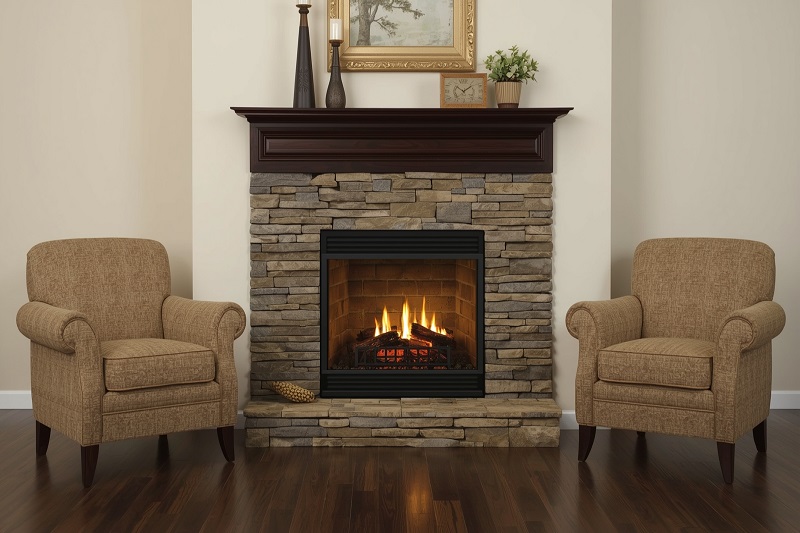
Why Choose a Gas Log Fire?
Choosing to install a gas log fire holds numerous benefits beyond simple heating. These systems emulate the charming aesthetic of an open indoor fireplace, yet without the time-consuming maintenance that comes with traditional wood-burning options. You enjoy consistent warmth and comfort without the smoke, soot, or ash to clean afterward. With just the flick of a switch, your living room can transform into a cozy retreat, filled with an intimate glow and inviting atmosphere. On top of this, gas log fires are generally more energy-efficient than wood fireplaces, offering reduced running costs while still delivering that classic, comforting flame effect.
What Are the Types of Gas Log Fires?
Here, let’s get a little deeper into the types – vented and ventless gas log fireplaces. Vented versions require a chimney, offering realistic flames but at the cost of lower heat efficiency. Ventless versions, however, are completely sealed and more heat efficient than their vented counterparts. Deciding between the two depends significantly on your living space and warmth requirements.
When Is the Right Time to Purchase a Gas Log Fire?
When buying a gas log fire, timing can be crucial. Purchasing during cooler months may mean higher prices but, conversely, shopping during the off-season could offer some valuable discounts. Balancing immediate warm requirements against budgetary considerations will help dictate the perfect time for purchase.
Who Should Invest in a Gas Log Fire?
Gas log fires are perfect for homeowners who value both functionality and aesthetics. They offer a convenient alternative to traditional fireplaces with their distinct charm, easy operation, and low maintenance necessities.
Pros and Cons of a Gas Log Fire
In summary, gas log fires offer the charm of traditional fireplaces with increased ease of use, more control over flame and heat output, and fewer carbon emissions. However, they do require some installation work, upfront costs might be higher, and they don’t quite offer the crackle of a wood-burning fire.
Energy Efficiency Considerations
One of the biggest drawcards of a gas log fire is its energy efficiency. By using less fuel and generating more heat than their wood-burning counterparts, they offer a more sustainable and cost-effective heating solution for your home.
Conclusion
Choosing the right gas log fire for your home is less about the sheer number of options and more about understanding what truly matters to you. Consider the harmony between aesthetics and functionality, the size and layout of your space, and your expectations for energy efficiency and warmth. Gas log fires beautifully balance comfort, style, and practical performance, making them an appealing choice for modern living spaces. When you select one that aligns with your needs and preferences, you’re not just installing a heating appliance—you’re cultivating a warm, welcoming atmosphere that brings your home to life.