
Have you ever noticed water pooling around your feet during a shower? Or perhaps caught a whiff of something unpleasant wafting up from your kitchen sink? Maybe you’ve heard strange gurgling sounds coming from your bathroom late at night? These seemingly minor annoyances could be warning signs of a much bigger problem lurking beneath your home. Blocked drains are one of those household issues that many Australians tend to ignore, hoping they’ll somehow resolve themselves. But here’s the thing – they rarely do. What starts as a slow-draining sink can quickly escalate into a full-blown plumbing disaster, complete with sewage backflow, structural damage, and repair bills that make your eyes water. The hidden danger lurking in your pipes deserves immediate attention, not a “she’ll be right” attitude.
In this article, we’ll explore why addressing blocked drains promptly is absolutely crucial for your home, health, and wallet. You’ll discover what causes these blockages in the first place, how to spot the early warning signs, and what happens when you ignore them. We’ll also look at whether DIY methods work, when to call in the professionals, and how to prevent future blockages. By the end, you’ll understand exactly why quick action can save you thousands of dollars and countless headaches down the track.
What Causes Blocked Drains in Australian Homes?
Common Culprits: Hair, Grease, and Foreign Objects
Let’s start with the usual suspects. Hair is perhaps the most common cause of blocked drains bellevue hill, particularly in bathrooms. Every time you shower or wash your hair over the sink, strands make their way down the drain. Over time, these accumulate and combine with soap scum to form stubborn clogs that restrict water flow.
In the kitchen, grease and cooking oils are major offenders. When you pour hot oil down the sink, it might flow freely at first. But as it cools, it solidifies and sticks to pipe walls, gradually building up until water can barely squeeze through. Food scraps, coffee grounds, and bits of debris make matters worse.
Foreign objects are another frequent cause – things like cotton buds, wet wipes (yes, even the ones labelled “flushable”), sanitary products, and children’s toys. These items simply weren’t designed to travel through your plumbing system.
Tree Root Intrusion: A Growing Problem
Tree roots are constantly searching for water and nutrients, and your underground pipes provide both. Even tiny cracks or joints in older pipes can attract roots, which then force their way inside and expand. Once established, they create serious blockages and can even crack pipes apart.
This problem is particularly common in older Australian suburbs where mature trees sit close to ageing sewer lines. You might not even realise roots have invaded until you’re dealing with repeated blockages or sewage backing up into your home.
Ageing Pipes and Infrastructure Issues
Many Australian homes, especially those built before the 1980s, have clay or cast-iron pipes that deteriorate over time. These materials crack, collapse, and corrode, creating rough surfaces where debris easily catches and accumulates. Sagging pipes can also develop “bellies” where waste collects instead of flowing smoothly away.
Warning Signs Your Drain Is Blocked
Slow Draining Water
The most obvious early warning sign is water that takes forever to drain. If your bathroom sink holds water for several minutes after you’ve finished washing your hands, or your shower creates a mini-pool around your feet, something’s not right. This slowdown indicates a partial blockage that’s restricting flow.
Unpleasant Odours Coming From Drains
That nasty smell wafting up from your drains isn’t just unpleasant – it’s a red flag. Blocked drains trap food particles, hair, soap scum, and other organic matter that begins to decompose. The resulting odour can range from mildly musty to genuinely revolting, depending on what’s stuck down there.
Gurgling Sounds and Water Backflow
Strange gurgling or bubbling sounds from your drains suggest air is trapped in the pipes due to a blockage. When water tries to flow past the obstruction, it displaces air, creating those distinctive noises. Water backing up into sinks, showers, or toilets is an even more serious sign that demands immediate attention.
What Happens If You Ignore a Blocked Drain?
Structural Damage to Your Property
When water can’t flow away properly, it finds alternative routes – often through your walls, floors, and foundations. Persistent moisture weakens structural elements, causes wood to rot, and creates ideal conditions for mould growth. Foundation damage from leaking sewage lines can cost tens of thousands of dollars to repair.
Health Risks From Sewage and Bacteria Exposure
Blocked drains create stagnant water that becomes a breeding ground for harmful bacteria, including E. coli and salmonella. If sewage backs up into your home, you’re exposing your family to serious health hazards. Mould growth from persistent dampness can trigger respiratory issues, allergies, and other health problems.
How Quickly Can a Blocked Drain Become an Emergency?
The short answer? Faster than you’d expect. A partial blockage can become a complete obstruction within days or even hours, particularly during periods of heavy use. Once water starts backing up into your home, you’re dealing with an emergency that requires immediate professional intervention.
During heavy rainfall, blocked stormwater drains can flood your property within minutes. The combination of a blocked sewer line and a major storm event can turn your home into a genuine disaster zone overnight.
Can a Blocked Drain Fix Itself?
In a word: no. While water pressure might occasionally push minor obstructions through, established blockages don’t simply disappear. They grow worse. The debris continues to accumulate, roots keep expanding, and that “it’ll be fine” attitude leads directly to bigger problems and bigger bills.
Is a Blocked Drain Covered by Home Insurance in Australia?
This depends entirely on your policy and the cause of the blockage. Most standard home insurance policies don’t cover gradual damage or wear and tear, which includes blockages from hair, grease, or root intrusion over time. However, sudden and accidental damage – like a pipe bursting due to a blockage – might be covered.
Always check your policy details and contact your insurer before assuming you’re protected. Some insurers offer optional add-ons for sewage backup or plumbing issues, which might be worth considering.
The Financial Impact of Delayed Drain Repairs
DIY vs Professional Drain Clearing: When to Call a Plumber
Safe Home Remedies Worth Trying
For minor blockages, a combination of boiling water, baking soda, and white vinegar can sometimes break down organic matter. A good-quality plunger works wonders for simple clogs, and a drain snake can reach obstructions further down the pipe. These methods are worth attempting for slow-draining sinks or showers.
Why Professional Drain Cleaning Services Are Worth the Investment
When home remedies fail, or you’re dealing with recurring blockages, professional plumbers bring expertise and equipment you simply don’t have. They can diagnose the underlying cause, clear stubborn obstructions, and identify potential problems before they become emergencies.
How Do Plumbers Unblock Drains?
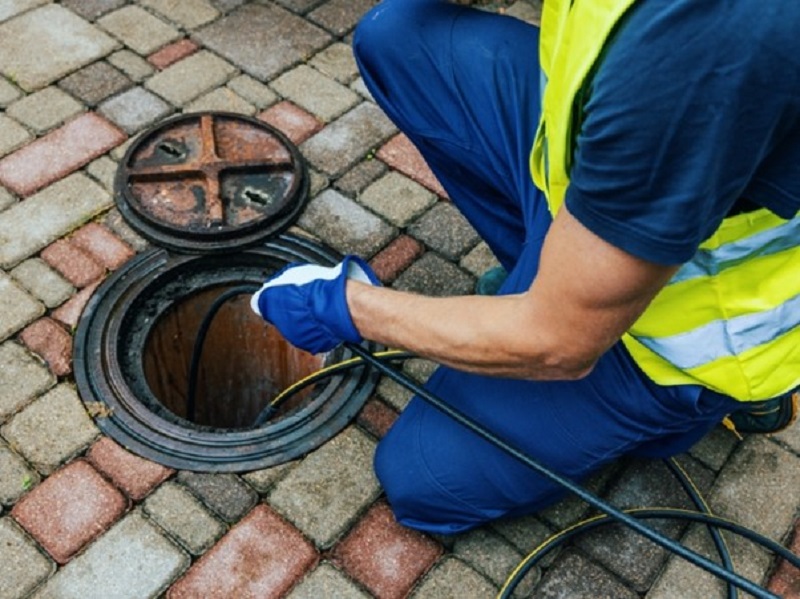
Professional plumbers use various techniques depending on the blockage. CCTV drain cameras allow them to see exactly what’s causing the problem. High-pressure water jetters blast through obstructions and clean pipe walls. Electric eels (drain snakes) physically break apart blockages, while pipe relining can repair damaged sections without excavation.
Preventing Future Blockages: Practical Tips for Homeowners
Prevention is always cheaper than cure. Install drain screens to catch hair and debris. Never pour cooking oil or grease down sinks – let it cool and dispose of it in the bin. Avoid flushing anything other than toilet paper. Run hot water through kitchen drains after washing dishes. Schedule annual professional drain inspections, especially for older properties.
Act Now to Protect Your Home and Wallet
Blocked drains might seem like minor inconveniences, but as we’ve explored, ignoring them creates serious consequences for your property, health, and finances. From structural damage and health hazards to repair costs that spiral out of control, the risks simply aren’t worth taking.
The key takeaway is simple: address blocked drains immediately. Whether that means trying safe home remedies for minor issues or calling a professional plumber for persistent problems, quick action saves money and prevents disasters. Don’t wait for slow-draining water to become sewage flooding your bathroom floor.
So the next time you notice warning signs – slow drainage, unpleasant odours, or gurgling sounds – take action straight away. Your future self (and your bank account) will thank you for it. A small investment in addressing the problem now beats a massive expense and enormous stress later. Your home deserves better than blocked pipes, and frankly, so do you.