
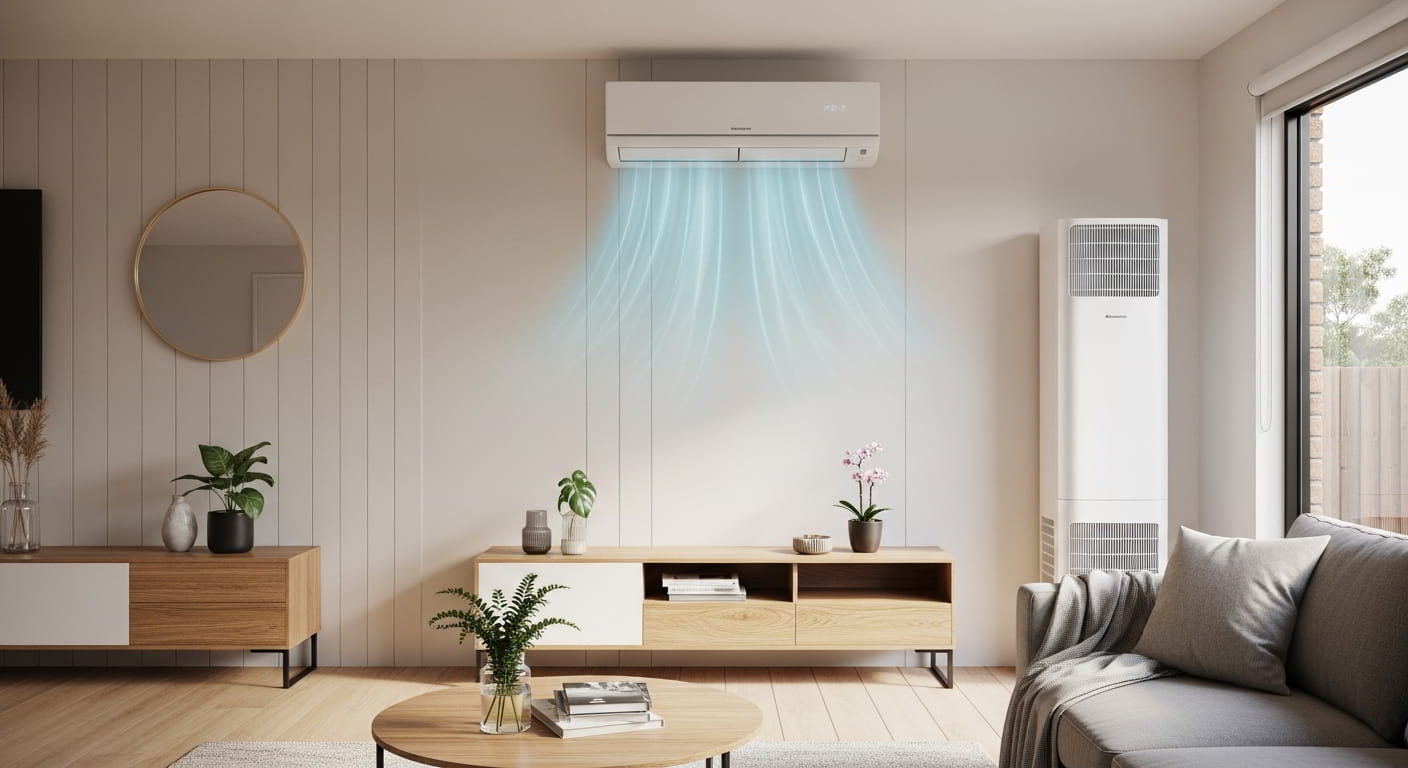
Whether you run a small office, a retail shop, or a larger warehouse, the temperature inside affects employee comfort, customer experience, and even product quality. High energy bills can eat into profit margins, so finding smart heating and cooling solutions is a smart move for any business owner.
Assessing Your Current Heating and Cooling System
Conduct a Simple Energy Audit
Start by looking at your recent electricity and gas statements. Note the months when the bill spikes – those are usually the hottest summer days or the coldest winter nights. A quick walk‑through of the building can reveal obvious problems such as blocked vents, dirty filters, or uneven temperature zones. If you have a building manager, ask them to record the thermostat settings for a week. This data will give you a baseline for future improvements.
Identify Inefficiencies
Common sources of waste in heating and cooling include:
- Old or undersized equipment that runs continuously.
- Leaky windows and doors that let conditioned air escape.
- Poor insulation in walls, roofs, and ceilings.
- Inadequate sealing around ducts and pipework.
- Thermostats set too high in winter or too low in summer.
Spotting these issues early can save you a lot of money before you invest in larger upgrades.
Energy‑Efficient Upgrades for Heating and Cooling
Upgrade to High‑Efficiency Units
Modern heating and cooling units are far more efficient than models installed a decade ago. Look for equipment with a high Seasonal Energy Efficiency Ratio (SEER) for cooling and a high Heating Seasonal Performance Factor (HSPF) for heating. In Australia, the government’s energy rating system helps you compare options. Replacing an old split system with a high‑efficiency one can cut energy use by 20‑30 percent.
Install Smart Controls
Smart thermostats and building management systems let you program temperature set‑points for different times of day and zones. They can also learn patterns and adjust automatically, reducing waste when the building is empty. Many smart controls integrate with mobile apps, so you can make changes on the go.
Improve Insulation and Air Sealing
Even the best heating and cooling equipment will struggle if the building leaks air. Adding insulation to walls, roofs, and floors helps keep warm air inside during winter and cool air inside during summer. Seal gaps around windows, doors, and service penetrations with weather‑stripping or caulk. This simple step can lower heating and cooling loads by up to 15 percent.
Regular Maintenance Practices
- Replace or clean filters every 1‑3 months. A dirty filter forces the system to work harder.
- Schedule professional servicing at least twice a year – once before summer and once before winter.
- Check refrigerant levels and look for leaks. Low refrigerant reduces cooling efficiency.
- Inspect ductwork for loose connections or gaps and seal them.
- Calibrate thermostats annually to ensure accurate temperature readings.
Consistent maintenance keeps your heating and cooling system running at peak efficiency and extends its lifespan.
Choosing the Right Heating and Cooling Provider
When you need a new system or a major repair, pick a provider that understands local climate and regulations. Look for companies that are licensed in your state or territory and have experience with commercial projects. Ask for references from other businesses similar to yours. A good provider will also advise you on the most cost‑effective solutions and help you navigate any government incentives.
Australian Regulations and Incentives
Australia’s energy landscape includes several programs that can lower the cost of heating and cooling upgrades:
- National Energy Productivity Plan – encourages businesses to adopt energy‑saving technologies.
- State‑based rebates – New South Wales, Victoria, Queensland and other states offer rebates for high‑efficiency HVAC installations.
- Small Business Energy Grants – provide up‑front funding for energy audits and retrofits.
- Building Code of Australia (BCA) – sets minimum insulation and ventilation standards that affect heating and cooling design.
Check with your local council or state energy agency to see which incentives you qualify for. Applying early can reduce the upfront cost of upgrades dramatically.
Cost‑Saving Strategies You Can Apply Today
- Adjust thermostat set‑points – lower heating by 1‑2 °C in winter and raise cooling by 1‑2 °C in summer.
- Use natural ventilation – open windows during mild weather to reduce reliance on mechanical cooling.
- Implement zone control – only heat or cool areas that are in use.
- Turn off equipment after hours – schedule automatic shut‑off for lights, fans, and HVAC when the building is empty.
- Monitor energy use – install a simple energy monitor to track heating and cooling consumption in real time.
These actions require little or no investment but can lead to noticeable savings on your monthly bills.
Questions and Answers: Common Questions About heating and cooling in Australia
How often should I service my commercial heating and cooling system?
A professional service twice a year is recommended – once before the hot season and once before the cold season. This keeps the system clean, checks refrigerant levels, and catches any developing problems early.
Conclusion: Your Path to a Successful heating and cooling in Australia
Saving money on commercial heating and cooling bills starts with understanding how your system works, spotting inefficiencies, and taking targeted actions. By conducting a basic audit, upgrading to high‑efficiency equipment, adding smart controls, improving insulation, and keeping up with regular maintenance, you can lower energy consumption dramatically. Choose a reputable heating and cooling provider familiar with Australian regulations and take advantage of state rebates and national programs to reduce upfront costs. Simple daily habits adjusting thermostat settings, using natural ventilation, and monitoring usage add up over time. Follow these steps, and you’ll see a healthier bottom line while keeping your building comfortable for staff and customers alike.