

Are you sweating through another scorching Australian summer wondering if it’s finally time to invest in air conditioning system? Perhaps you’ve already got a unit but aren’t sure if it’s working as efficiently as it should? Or maybe you’re curious about what’s actually happening inside that magical box that transforms your home from a furnace into a cool retreat?
You’re not alone. With Australian summers becoming increasingly intense, understanding air conditioning has never been more important for homeowners across the country. Whether you’re looking at installing an air conditioner for the first time or trying to get more life out of your existing system, this guide covers everything you need to know.
In this all-in-one resource, we’ll explore what is air conditioner technology and how it works, break down the different types of systems available, walk you through air conditioner unit installation, tackle noise regulations (especially those tricky air conditioner noise levels Victoria residents need to consider), and share maintenance tips that’ll keep your system running smoothly for years. Let’s get stuck into it.
What Is Air Conditioner Technology and How Does It Work?
The Basic Science Behind Cooling Your Home
At its core, air conditioning is all about moving heat from one place to another. Your unit doesn’t actually create cold air—it removes warmth from inside your home and dumps it outside. Pretty clever, right?
The system uses a refrigerant that cycles between liquid and gas states. When the refrigerant evaporates inside your home, it absorbs heat from the air. Then it travels to the outdoor unit, compresses back into a liquid, and releases that heat outside. This continuous cycle is what keeps your living room comfortable while the backyard feels like a blast furnace.
Understanding Central Climate Control Systems
Central climate control takes this basic principle and applies it throughout your entire home. Instead of cooling just one room, a central air conditioning system distributes conditioned air through a network of ducts. For those wanting the technical details, a central air conditioning system pdf from your manufacturer will outline the specifics of your particular setup.
These systems work brilliantly for larger homes where multiple rooms need consistent temperatures. They’re also fantastic for maintaining even comfort levels throughout the day without the hassle of adjusting individual units in every room.
Types of Air Conditioning Systems Explained
Split System Air Conditioners
Split systems are Australia’s most popular choice for good reason. They consist of two main components—an indoor unit mounted on your wall and an outdoor compressor. They’re relatively affordable, easy to install, and perfect for cooling individual rooms or open-plan living areas.
Modern split systems often feature reverse cycle technology, meaning they can heat your home during winter too. That’s two seasons sorted with one investment.
Ducted and Central Air Conditioning Systems
If you’re after whole-home comfort, ducted systems are the gold standard. These hide away in your ceiling or under the floor, with discreet vents delivering cool air throughout every room. Installing central ac requires more upfront investment, but the result is seamless temperature control across your entire property.
Many homeowners appreciate the aesthetic appeal—no bulky units on walls, just subtle outlets that blend with your décor. Plus, zoning capabilities let you cool only the rooms you’re using, which saves energy.
Multi-Split and Reverse Cycle Units
Multi-split systems connect multiple indoor units to a single outdoor compressor. They’re ideal when you need to cool several rooms but don’t want the complexity of full ducting. Reverse cycle units, as mentioned earlier, handle both heating and cooling, making them incredibly versatile for Australian conditions.
Which System Suits Australian Homes Best?
There’s no one-size-fits-all answer here. Smaller apartments and single rooms often do well with split systems. Larger family homes benefit from ducted solutions. Consider your climate zone too—homes in Darwin have different needs compared to those in Melbourne or Hobart.
Planning Your Air Conditioner Unit Installation
Assessing Your Home’s Cooling Needs
Before jumping into air conditioning system installation, take stock of what you’re working with. How large is your space? Which direction do your windows face? Is your home well-insulated? These factors massively impact the system you’ll need.
A home with large north-facing windows will require more cooling capacity than one tucked under shady trees. Similarly, older homes with poor insulation might struggle to maintain cool temperatures regardless of how powerful your unit is.
How Do I Know What Size Air Conditioner I Need?
Getting the size right is crucial. Too small, and your unit will run constantly without ever reaching your desired temperature. Too large, and it’ll cycle on and off frequently, wasting energy and wearing out components faster.
The general rule is approximately 120-150 watts of cooling capacity per square metre. However, ceiling height, insulation quality, and local climate all influence this calculation. For detailed specifications, a domestic refrigeration and air conditioning pdf from industry bodies can provide precise guidelines.
Understanding Domestic Refrigeration and Air Conditioning Requirements
Australian standards require that refrigeration and air conditioning work be performed by licensed technicians. This isn’t just bureaucracy—it ensures your system operates safely and efficiently. Refrigerants used in air conditioning are regulated substances, and improper handling can be dangerous and environmentally harmful.
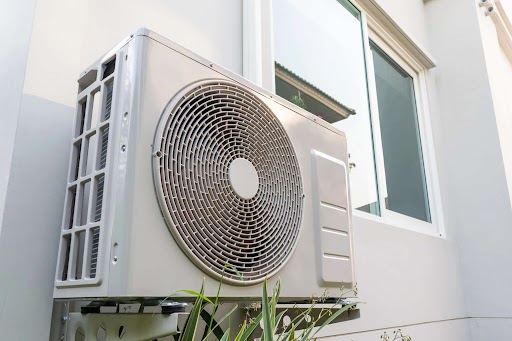
Installing Central AC: A Step-by-Step Overview
What to Expect During Air Conditioning System Installation
Installing air conditioning isn’t typically a DIY weekend project. Professional installation begins with a site assessment, followed by positioning the indoor and outdoor units, running refrigerant lines, connecting electrical components, and commissioning the system.
For ducted systems, installers will work in your roof space or underfloor areas, fitting ductwork and vents throughout. Expect some disruption, but reputable installers minimise mess and complete work efficiently.
Installing an Air Conditioner: DIY vs Professional Installation
While it’s tempting to save money by doing it yourself, installing an air conditioner requires specific skills and licences. In Australia, handling refrigerants without proper certification is illegal. Electrical work must also be completed by licensed electricians.
Beyond legal requirements, professional installation ensures your warranty remains valid and your system performs optimally from day one.
How Long Does Air Conditioning Installation Take?
A straightforward split system installation usually takes between four to eight hours. Ducted systems require more time—often two to three days depending on your home’s size and complexity. Your installer should provide a clear timeline before work begins.
Air Conditioner Noise Levels in Victoria and Beyond
Understanding Australian Noise Regulations
Nobody wants their cooling comfort to come at the cost of neighbourhood harmony. Air conditioner noise levels Victoria regulations specify that residential air conditioning units must not exceed certain decibel limits at property boundaries.
Generally, outdoor units shouldn’t produce noise above 45 decibels during the day and even lower at night. These regulations exist across Australian states, though specific limits vary.
How Do I Reduce Air Conditioner Noise for My Neighbours?
Strategic placement makes a massive difference. Position outdoor units away from neighbours’ bedrooms and living areas where possible. Consider acoustic barriers or purpose-built enclosures that dampen sound without restricting airflow.
Regular maintenance also keeps noise in check. Loose components, worn bearings, and dirty fans all contribute to increased operational noise over time.
Choosing Quiet Units for Residential Areas
Modern units are significantly quieter than older models. When shopping, look for decibel ratings in product specifications—anything below 50dB for the outdoor unit is considered quiet. Inverter technology generally runs quieter than non-inverter systems because the compressor operates at variable speeds rather than constantly switching on and off.
Essential Air Conditioning Maintenance Tips
How Often Should I Service My Air Conditioner?
Professional servicing every 12 months keeps your system running efficiently. However, if you use your unit heavily or live in dusty environments, consider servicing every six months. Regular maintenance catches small problems before they become expensive repairs.
DIY Maintenance Tasks You Can Do at Home
Between professional services, you can handle several tasks yourself. Clean or replace filters monthly during heavy-use seasons. Keep the outdoor unit clear of leaves, debris, and vegetation. Wipe down indoor unit surfaces and ensure vents aren’t blocked by furniture or curtains.
These simple steps improve airflow, reduce energy consumption, and extend your system’s lifespan.
When to Call a Professional Technician
Strange noises, unusual smells, water leaks, or diminished cooling performance all warrant professional attention. Don’t ignore warning signs—addressing issues early typically costs far less than emergency repairs during peak summer.
Common Air Conditioning Problems and Troubleshooting
Why Is My Air Conditioner Not Cooling Properly?
Dirty filters are often the culprit. Check these first. Other causes include low refrigerant levels, blocked condenser coils, or thermostat issues. If basic troubleshooting doesn’t help, call a technician.
Dealing with Unusual Noises and Odours
Rattling might indicate loose panels or debris in the unit. Musty smells often suggest mould growth in the system—a health concern that needs addressing promptly. Burning odours require immediate attention and potentially switching off the unit until inspected.
Understanding Error Codes and Warning Signs
Modern units display error codes when problems arise. Consult your manual or manufacturer’s website to decode these messages. Some indicate simple fixes; others signal serious issues requiring professional repair.
Energy Efficiency and Running Costs
How Can I Reduce My Air Conditioning Energy Bills?
Set your thermostat to 24-25°C rather than arctic temperatures. Each degree lower increases energy use by approximately 10%. Use timers and programmable settings to avoid cooling empty rooms. Keep doors and windows closed while the system runs.
Choosing Energy-Efficient Models for Australian Climates
Look for high star ratings—the more stars, the more efficient the unit. Inverter technology significantly reduces energy consumption compared to older fixed-speed systems. While efficient models cost more upfront, the savings quickly add up.
Making the Right Choice for Your Home
Choosing, installing, and maintaining air conditioning doesn’t need to be overwhelming. By understanding how these systems work, selecting the right type for your needs, and committing to regular maintenance, you’ll enjoy cool comfort for years to come.
Remember, professional installation isn’t just recommended—it’s essential for safety, efficiency, and warranty protection. Take time to research your options, get multiple quotes, and choose installers with solid reputations and proper licensing.
Whether you’re installing your first split system or upgrading to whole-home ducted comfort, making informed decisions now saves headaches later. Stay cool out there, and don’t hesitate to reach out to qualified professionals when you need guidance. Your future self—lounging comfortably while summer rages outside—will thank you.