
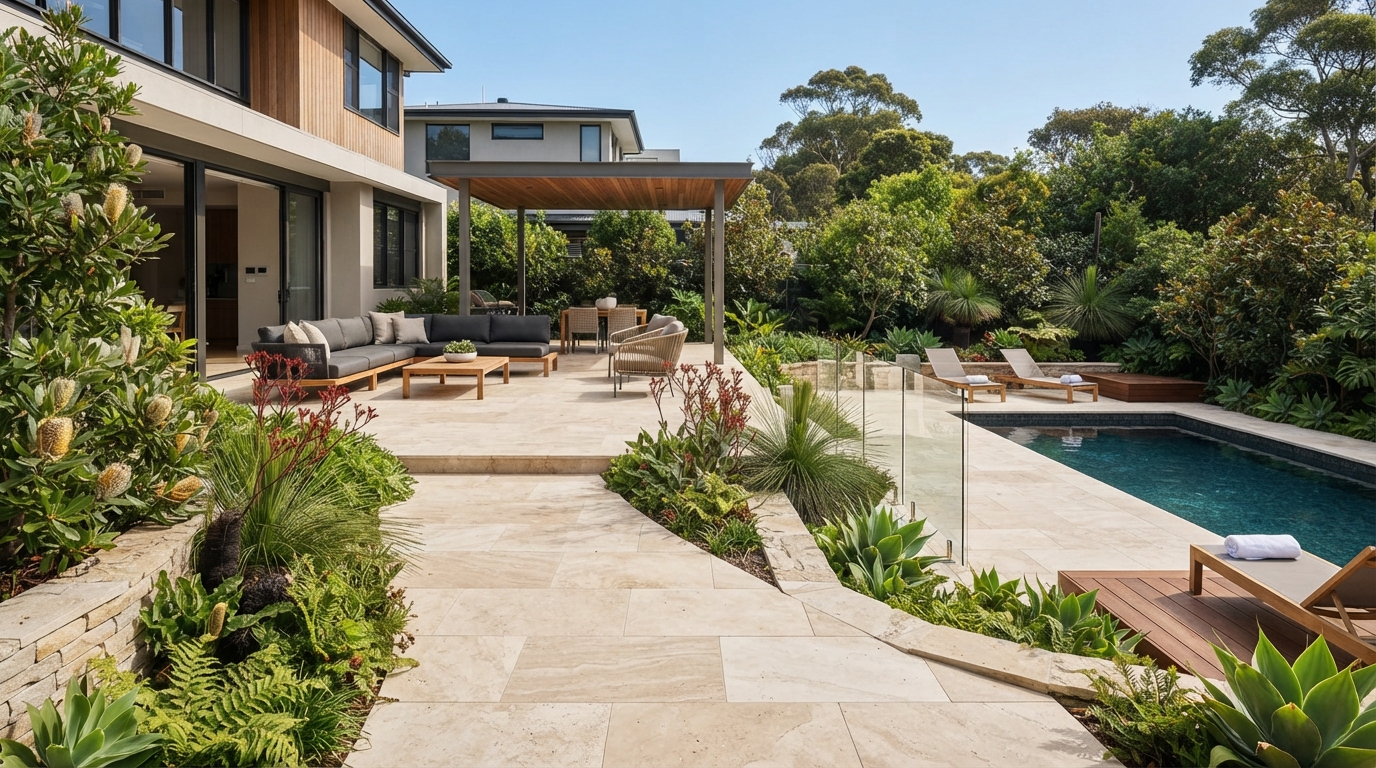
Limestone pavers have become a popular choice for Australian homeowners who want a natural look, durability, and easy maintenance. When you work with the right limestone pavers suppliers, you can transform a simple backyard into a welcoming outdoor living area that fits the climate, style, and budget of any home. This guide walks you through everything you need to know about limestone pavers suppliers in Australia, from choosing the right product to complying with local regulations and keeping your patio looking great for years.
Why Choose Limestone Pavers?
Limestone is a sedimentary stone that offers a warm, earthy tone that blends well with Australian landscapes. It is softer than granite or basalt, which makes it easier to cut and shape on site. At the same time, limestone is strong enough to handle foot traffic, outdoor furniture, and even occasional vehicle access on driveways.
Key Benefits
- Natural Aesthetic: The subtle colour variations give each patio a unique look.
- Cool Underfoot: In hot Australian summers, limestone stays cooler than concrete.
- Easy to Repair: Individual pavers can be replaced without re‑doing the whole surface.
- Eco‑Friendly: Limestone is a natural material that can be sourced locally, reducing transport emissions.
Finding the Right Limestone Pavers Suppliers in Australia
The first step is to locate reputable limestone pavers suppliers that understand the Australian market. Suppliers vary by region, so it helps to look for those who stock products that suit your climate zone whether you live in the humid east coast, the dry interior, or the Mediterranean south.
Where to Look
- Online directories such as the Australian Building Supplies Association.
- Local garden centres and hardware stores that carry stone ranges.
- Specialist stone yards in major cities – Sydney, Melbourne, Brisbane, Perth, Adelaide.
- Trade shows and home improvement expos where suppliers showcase new designs.
What to Ask a Supplier
- What grades of limestone do you offer? (e.g., Class A, Class B)
- Do you provide samples for colour matching?
- What is the typical delivery time for a standard 100 m² order?
- Do you offer installation guidance or partner with local contractors?
Key Factors to Consider When Choosing a Supplier
Not every limestone pavers supplier is the same. To get the best value, compare a few important factors.
Product Quality
Look for suppliers that follow Australian Standards AS 3958.1 for paving stones. High‑quality limestone will have consistent thickness, low water absorption, and a smooth finish that resists staining.
Local Sourcing
Suppliers who source limestone from Australian quarries in New South Wales, Victoria, or Queensland can often offer lower freight costs and a smaller carbon footprint. Local stone also tends to match the surrounding environment better.
Warranty and Support
A solid warranty (usually 5‑10 years) shows confidence in the product. Ask the supplier about after‑sales support, such as advice on cleaning agents or replacement parts.
Price Transparency
Make sure the price includes the stone, any required edging, and delivery. Some suppliers bundle installation services at a discount, which can simplify budgeting.
Local Regulations and Standards
Australia has specific rules that affect how you install limestone pavers. Following these guidelines helps you avoid costly re‑work and ensures safety.
Permits and Approvals
Before you start, check with your local council about any required permits. Most councils ask for a simple site plan showing the proposed area, drainage, and edging details.
Installation Tips and Maintenance
Even the best limestone pavers need proper installation and care to last. Below are practical steps that homeowners and contractors can follow.
Preparing the Sub‑Base
- Excavate to a depth of at least 150 mm for foot traffic areas.
- Lay a compacted gravel base (20‑30 mm) followed by a sand screed (50‑70 mm).
- Check the level with a spirit level; a flat surface prevents uneven pavers.
Laying the Pavers
- Start at a corner or along a straight edge.
- Use a rubber mallet to tap each paver into place.
- Maintain a uniform joint width (typically 3‑5 mm).
- Cut pavers with a wet saw for a clean edge.
Sealing and Cleaning
A breathable sealant protects limestone from stains and weathering while allowing moisture to escape. Apply the sealant after the joints have cured (usually 7‑10 days). For routine cleaning, use a mild detergent and a soft brush; avoid acidic cleaners that can etch the stone.
Cost and Budgeting
Understanding the cost breakdown helps you plan a realistic budget. Prices can vary by region, stone grade, and supplier.
Typical Price Range
- Basic limestone pavers: AU$45‑$70 per square metre.
- Premium, colour‑matched pavers: AU$80‑$120 per square metre.
- Installation labour (if not DIY): AU$30‑$45 per square metre.
Hidden Costs to Watch
- Sub‑base material and compaction.
- Edge restraints and border stones.
- Drainage solutions for larger areas.
- Sealant and maintenance tools.
Case Studies from Australian Homes
Real‑world examples show how limestone pavers suppliers have helped homeowners create functional and beautiful outdoor spaces.
Sydney – Coastal Patio
A family in Bondi hired a local limestone pavers supplier to create a 45 m² patio that could withstand salty sea breezes. The supplier provided a sealed, light‑grey limestone that matched the beach vibe. The project stayed within budget thanks to a bundled delivery and installation package.
Melbourne – Garden Path
In the leafy suburbs of Hawthorn, a homeowner wanted a winding garden path that blended with native plants. The limestone pavers supplier offered a range of muted earth tones and a permeable sub‑base that met council stormwater requirements. The result was a low‑maintenance path that stayed cool in summer.
Brisbane – Outdoor Kitchen Floor
A Brisbane couple installed a 30 m² outdoor kitchen floor using a dark limestone supplied by a regional quarry. The supplier’s technical team advised on joint spacing to prevent cracking during the hot, dry season. The kitchen now serves as a social hub throughout the year.
Questions and Answers: Common Questions About limestone pavers suppliers in Australia
Are limestone pavers suitable for all Australian climates?
Yes, but the finish and sealing method may differ. In hot, dry areas, a light colour and breathable sealant help keep the surface cool. In humid or coastal regions, a higher‑grade stone with a marine‑grade sealant protects against moisture and salt.
Can I install limestone pavers myself, or should I hire a professional?
DIY installation is possible if you have the right tools and understand the sub‑base requirements. However, many homeowners prefer a professional installer to ensure proper leveling, joint spacing, and compliance with local standards.
Conclusion: Your Path to a Successful limestone pavers suppliers in Australia
Choosing the right limestone pavers suppliers is the first step toward creating a beautiful, durable outdoor space that suits the Australian climate and lifestyle. By doing so, you can enjoy long-lasting results while avoiding costly mistakes. In addition, focusing on product quality, local sourcing, and compliance with Australian Standards helps ensure your investment stands the test of time. Before making a purchase, be sure to ask the right questions, compare product options, and check warranty coverage. Furthermore, planning for professional installation and regular maintenance will keep your limestone pavers looking their best for years to come.
As a result, you can reduce future repair costs and improve the overall lifespan of your outdoor surfaces. Ultimately, whether you’re building a patio, garden pathway, pool surround, or outdoor kitchen, choosing a trusted supplier will help you create a stylish, functional space that adds value to your home. Most importantly, it provides a welcoming outdoor area where family and friends can relax and enjoy every season.