
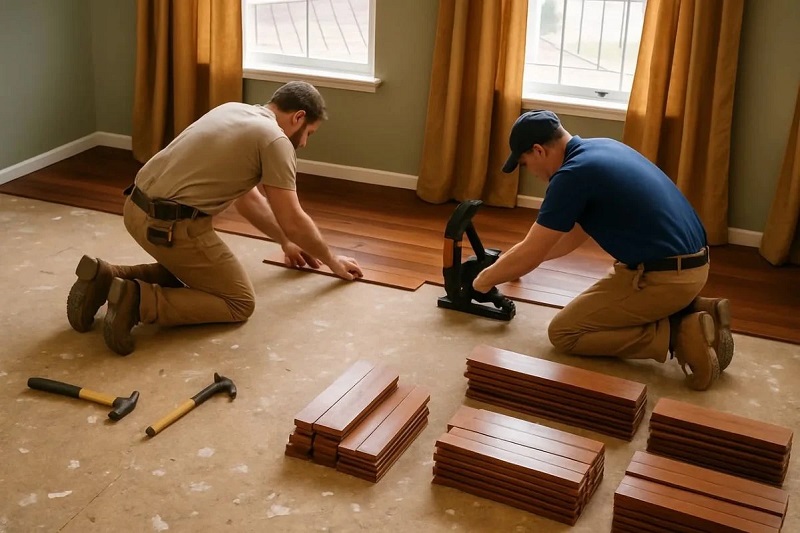
Are you planning home renovations and feeling overwhelmed by the sheer number of flooring choices available? Perhaps you’re wondering which material will stand up to your busy household, or maybe you’re trying to balance style with budget? You’re definitely not alone in this.
Choosing the right flooring is one of the most important decisions you’ll make during any renovation project. It affects everything from the look and feel of your space to how much maintenance you’ll need to do for years to come. Get it right, and you’ll love walking through your home every single day. Get it wrong, and you could end up with costly replacements or constant frustration. Selecting the right flooring is an essential part of successful home renovations, ensuring your investment delivers both beauty and long-term value.
In this guide, we’ll walk you through the most popular flooring options for Australian homes. You’ll discover the pros and cons of hardwood, laminate, vinyl, tile, and more. We’ll also cover budget-friendly alternatives, eco-conscious choices, and help you figure out which flooring works best for each room. Whether you’re tackling a full renovation or just updating a single space, this guide to home renovations will give you the knowledge you need to make a confident flooring decision.
What Are the Most Popular Flooring Options for Home Renovations?
Australian homeowners have more flooring choices than ever before. Modern trends lean towards natural-looking materials, with timber and timber-look products dominating the market. Neutral tones and wide planks are particularly popular right now, creating spacious, contemporary vibes in homes across the country.
When selecting flooring, think about your home’s overall style and how each room functions. A coastal home might suit light timber or whitewashed finishes, while an industrial-style apartment could benefit from polished concrete. High-traffic areas need durable materials, whereas bedrooms might prioritise comfort and warmth.
The key is matching your flooring to your lifestyle. Do you have kids or pets? Are you renovating to sell or for your forever home? These questions will guide your choice and help narrow down the options.
Hardwood Flooring
Timber flooring remains a favourite for Australian homes, and it’s easy to see why. It’s naturally beautiful, adds warmth to any space, and can significantly boost your property value. Australian hardwoods like spotted gum, blackbutt, and jarrah are incredibly durable and perfectly suited to our climate.
Is hardwood worth the investment? Absolutely, if you’re planning to stay in your home long-term. Quality timber floors can last decades with proper care, and they can be sanded and refinished multiple times. This makes them a genuinely sustainable choice despite the higher upfront cost.
Different timber species perform better in different climates. In humid coastal areas, spotted gum handles moisture well. For cooler regions, blackbutt offers excellent stability. Your local flooring specialist can recommend the best species for your specific location.
Laminate Flooring
Laminate flooring consists of a photographic layer over a high-density fibreboard core, giving you the look of real wood without the price tag. Modern laminate has come a long way—many products are virtually indistinguishable from genuine timber at first glance.
The main advantages include affordability, easy installation, and decent durability. On the flip side, laminate can’t be refinished like real timber, and it’s susceptible to water damage. It also doesn’t add the same property value as genuine hardwood.
For high-traffic areas like hallways and living rooms, choose laminate with an AC4 or AC5 rating. These products are designed to handle heavy foot traffic and resist scratching from pets and furniture.
Vinyl and Luxury Vinyl Plank (LVP) Flooring
Vinyl flooring has exploded in popularity recently, and for good reason. Luxury vinyl plank offers the appearance of timber or stone with impressive waterproof properties. It’s softer underfoot than tile and far more forgiving if you drop something.
For kitchens and bathrooms, waterproof vinyl is a game-changer. Unlike laminate, it won’t swell or warp when exposed to moisture. This makes it ideal for laundries, ensuites, and anywhere spills are likely.
Quality vinyl flooring typically lasts 15-25 years, depending on the wear layer thickness. Look for products with a wear layer of at least 0.5mm for residential use. Thicker wear layers mean better durability and a longer lifespan.
Tile Flooring
Tiles remain a practical choice for Australian homes, particularly in wet areas and outdoor living spaces. Porcelain and ceramic are the most common options, with natural stone tiles offering a premium alternative.
Tiles work brilliantly in kitchens, bathrooms, laundries, and alfresco areas. However, they’re not ideal everywhere. In bedrooms and living areas, tiles can feel cold and hard underfoot—though underfloor heating solves the temperature issue nicely.
Porcelain tiles are denser and more water-resistant than ceramic, making them better for outdoor use and wet areas. Ceramic tiles are more affordable and perfectly suitable for indoor applications with lower moisture exposure.
Engineered Timber Flooring
Engineered timber features a real wood veneer bonded to multiple layers of plywood or fibreboard. This construction makes it more stable than solid timber, particularly in environments with fluctuating humidity.
The main difference from solid timber? Engineered flooring can only be sanded once or twice, compared to multiple refinishes for solid hardwood. However, it’s typically cheaper and performs better over underfloor heating systems.
If you’re installing underfloor heating, engineered timber is often the better choice. Its layered construction resists warping and expanding when temperatures change, giving you the beauty of timber with modern comfort.
Concrete and Polished Concrete Flooring
Polished concrete has become increasingly popular in contemporary Australian homes. Its sleek, minimalist appearance suits modern architecture beautifully, and it’s incredibly low maintenance once sealed.
The cost varies significantly depending on whether you’re polishing an existing slab or pouring new concrete. For existing slabs, expect to pay between $50-$100 per square metre. New concrete installations cost considerably more but offer greater design flexibility.
Concrete floors are extremely durable and can incorporate heating elements. They’re also excellent for passive solar design, absorbing heat during the day and releasing it at night.
Carpet Flooring
Carpet remains the top choice for bedrooms and cosy living areas where comfort matters most. It’s warm, quiet underfoot, and available in countless colours and textures.
For bedrooms, consider plush or frieze carpets that feel luxurious underfoot. Living areas benefit from loop pile or textured options that hide footprints and wear patterns better.
Modern carpets include stain-resistant and hypoallergenic options, addressing concerns that previously turned people away from this classic flooring choice.
Budget-Friendly Options
Working with a tight budget? Vinyl sheet flooring and entry-level laminate are your most affordable options, typically costing under $30 per square metre installed. Some vinyl tiles are even suitable for DIY installation, saving additional money.
Sheet vinyl and basic ceramic tiles also offer excellent value. With clever shopping and timing your purchase around sales, you can achieve great-looking floors without breaking the bank.
Eco-Friendly and Sustainable Flooring Choices
Bamboo flooring is a popular sustainable option, growing much faster than traditional timber. Cork flooring offers similar eco-credentials with excellent thermal and acoustic insulation properties.
Recycled materials are becoming more common in flooring products too. Some vinyl and carpet manufacturers now incorporate recycled content, reducing environmental impact while maintaining quality.
How to Choose the Best Flooring for Each Room
Kitchens need waterproof, easy-clean surfaces—think tile, vinyl, or sealed concrete. Bathrooms require similar water resistance with good slip ratings. Living rooms and bedrooms offer more flexibility, though comfort and warmth often take priority here.
Consider how each room connects visually. Maintaining consistent flooring throughout open-plan areas creates flow and makes spaces feel larger.
DIY vs Professional Installation
Click-lock laminate and vinyl planks are genuinely suitable for DIY installation. Tiles, hardwood, and carpet generally require professional expertise to achieve quality results.
Mistakes during installation can void warranties and lead to expensive repairs. When in doubt, invest in professional installation—it usually pays off in the long run.
Making the Final Decision for Your Renovation
Choosing flooring comes down to balancing your budget, lifestyle, and aesthetic preferences. There’s no single “best” option—only the best choice for your specific situation and needs. The right flooring plays a vital role in successful home renovations, enhancing both the comfort and value of your property.
Take your time, order samples, and see how different materials look in your actual space with your lighting. What looks perfect in a showroom might feel completely different at home. Trust your instincts alongside practical considerations to ensure your home renovations deliver the style and durability you’re looking for.
Ready to get started? Visit a few local flooring specialists, discuss your needs honestly, and request detailed quotes. With careful planning and informed decisions, your home renovations can be completed with flooring that you’ll enjoy for years to come. Your dream floors are closer than you think.cha