
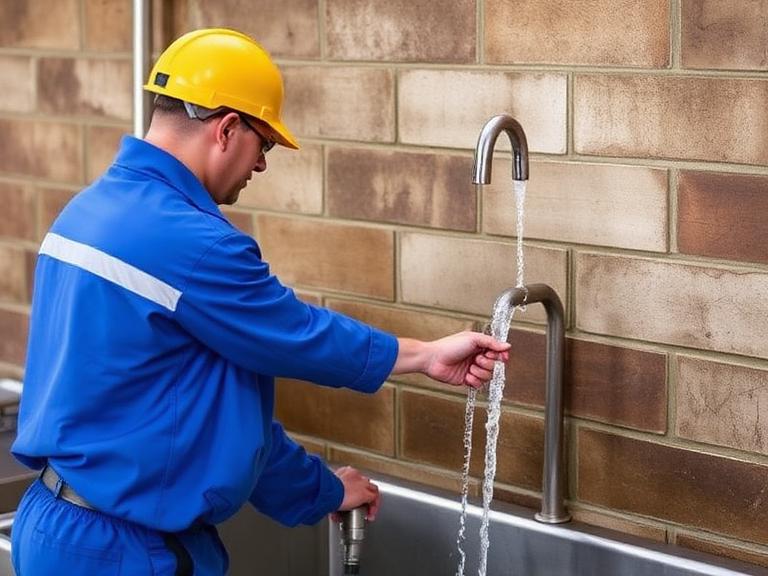
Understanding the Different Types of Hot Water Service
Choosing the right hot water service for your home isn’t as simple as it used to be. From what I’ve seen in Doncaster, most homeowners start with a classic electric hot water tank, but the market has grown a lot. You’ve got tankless water heaters that fire up on demand, solar water heaters that soak up the sun, and heat pump water heaters that pull warmth from the air. Each type has its own quirks when it comes to space, climate, and upfront cost. In my experience, a solar water heater works a treat on a north-facing roof in Melbourne’s suburbs, while a heat pump can give you a steady supply even when the night gets chilly.
That matters because Doncaster’s winters can drop to 4-6°C, and you don’t want a shiver when you step out of the shower. A tankless water heater doesn’t waste heat when you’re not using it — you won’t be paying for a big, cold tank sitting idle. And a heat pump water heater runs quietly, using less electricity than a traditional electric model. Both are solid choices for an energy-efficient hot water system that suits our Aussie climate.
How to Choose the Best Hot Water Service for Your Australian Home
The first step is choosing the right size for your household. A family of four in Doncaster typically uses around 180–200 litres of hot water per day. However, homes with large bathtubs or frequent long showers may need a larger system.
Oversizing can increase energy consumption. The tank cycles on and off more often, which may raise electricity costs. On the other hand, an undersized system can leave you without enough hot water during busy periods.
When selecting a system, consider your daily hot water usage. You should also check your local climate zone. Then, choose a unit designed to perform efficiently in those conditions.
For many Doncaster households, a 150-litre heat pump water heater is a practical choice. It usually provides enough capacity for a family of four while remaining energy efficient. If roof space is limited, a tankless water heater can be a suitable alternative. These systems work well when a steady flow of hot water is required.
Key Factors That Affect Hot Water Service Installation Cost in Australia
Many homeowners focus only on the purchase price. However, installation costs can vary depending on the type of system.
For example, gas units often require proper ventilation. Solar systems may need collector connections and additional roof work. Heat pump systems sometimes require electrical or pump upgrades. These extra requirements can add to the overall cost. However, they are important for safe and reliable operation.
The biggest factor affecting installation cost is the type of system you choose. Electric storage tanks are usually the most affordable to install. However, they often have higher running costs over time.
Solar water heaters generally cost more upfront. This is because they require roof-mounted collectors and control equipment. The benefit is significantly lower energy consumption.
Heat pump systems sit between these two options. Installation costs are higher than a standard electric unit. However, they can deliver substantial savings on energy bills. For many Australian families, these long-term savings make the investment worthwhile.
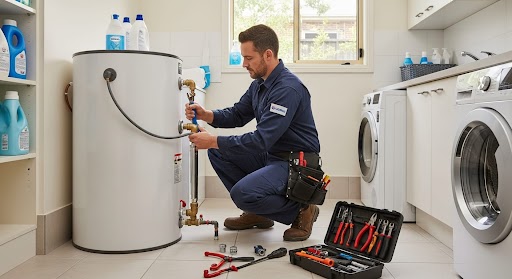
Energy Efficient Hot Water Service Options for Households
Energy efficient hot water system choices aren’t just about the unit; they’re about how you use it too. in my experience, insulating the hot water tank, setting the thermostat to 55 °C, and installing a timer on electric units can shave 10‑15 % off your energy use. the thing is, Doncaster’s mild winters mean you don’t need a scorching hot setting – 55 °C is plenty for showers and dishes. From what I’ve seen, a heat pump water heater paired with a solar pre‑heat panel can cut electricity use by up to 50 % compared to a conventional electric tank. A tankless water heater also runs only when you need it, so there’s no standby loss. And if you’re up for a bit of upfront work, a solar water heater with a storage tank can give you free hot water for most of the year, especially during the sunny summer months.
Why Your Home Has No Hot Water and How to Fix It
Even though we’re writing about Doncaster, the same issues pop up in Queensland – no hot water, strange noises, or a tank that won’t heat. In my experience, the first thing to check is the power supply. A tripped breaker or a blown fuse can kill the whole system — don’t ignore it. And the thing is, Queensland homes often run the heater on its own circuit, so a quick reset can sort it out. A dodgy thermostat is often to blame. If the sensor reads too low, the heater won’t fire up. In a tankless system, a clogged inlet screen can choke the flow — the unit then shuts off. And with heat‑pump units, a grimy filter can overheat things and force a shutdown. The thing is, a quick glance at the manual, a good clean of the filter, and a reset usually get you back under the Aussie shower.
Top Water Heating Brands for Australian Homes
Reliability matters – and only a handful of brands really shine down under. In my experience, Rheem, Dux and Rinnai consistently punch above their weight, whether you’re in Melbourne’s chill or Perth’s heat. The thing is, each label offers a lineup that fits tight budgets & space constraints. And for homes in Doncaster, a Rheem heat‑pump water heater is a go‑to choice, handling those cooler evenings like a champ. Here’s a quick rundown the top three brands I recommend for a hot water service in Doncaster are:
- Rheem – strong heat pump models, And good warranties? They’re essential., A hassle‑free service network.
- Dux – reliable electric and gas tanks, solid after‑sales support.
- Rinnai – efficient tankless water heaters, great for small spaces.
How to Size a Hot Water Service for a Family of Four…
Sizing a hot water service isn’t rocket science, but it does need a bit of math — Honestly, in my experience, you start by counting the number of bathrooms, the average shower length, & any additional uses like a dishwasher or washing machine — The thing is, a typical 10‑minute shower uses about 15 liters of water, so two showers a day for a family of four adds up to roughly 120 liters. From what I’ve seen, a 150‑liter heat pump water heater gives a comfortable buffer for extra uses, while a 180‑liter solar water tank covers peak summer demand. I mean, if you go tankless, you’ll need to check the flow rate – a 9‑kw unit can handle two showers at once without a dip in temperature. And that matters because you don’t want to be left with lukewarm water mid‑shower.
Essential Maintenance Tips to Extend System Lifespan
Hot water tank maintenance is simple but often ignored. In my experience, flushing the tank once a year removes sediment that can reduce heating efficiency — The thing is, Doncaster’s hard water can leave a nasty build‑up, so a yearly flush keeps the thermostat accurate and the heater running smoothly. For tankless and heat pump units, a quick filter clean every six months does the trick. A solar water heater needs a check on the collector panels and the controller to make sure they’re still feeding the tank. And that matters because a well‑maintained hot water service not only saves energy but also avoids costly breakdowns that can leave you shivering in winter.
Putting It All Together: Your Action Plan for a New Hot Water Service in Doncaster
Here’s what I tell people when they’re ready to upgrade: first, decide which type fits your space and budget – tankless, solar, or heat pump. Next, size the system for your family’s daily hot‑water use, keeping the Aussie climate in mind. And then, pick a reputable brand – Rheem, Dux or Rinnai – and make sure the installer follows proper water‑heater installation practices. Finally, set up a maintenance routine – flush the tank, clean filters, & check solar panels regularly. Look, follow these steps and you’ll end up with a hot water service that’s solid, energy‑efficient and kind on the wallet — a real Aussie win. And that’s the sort of practical advice that keeps Doncaster residents comfortable year after year.