
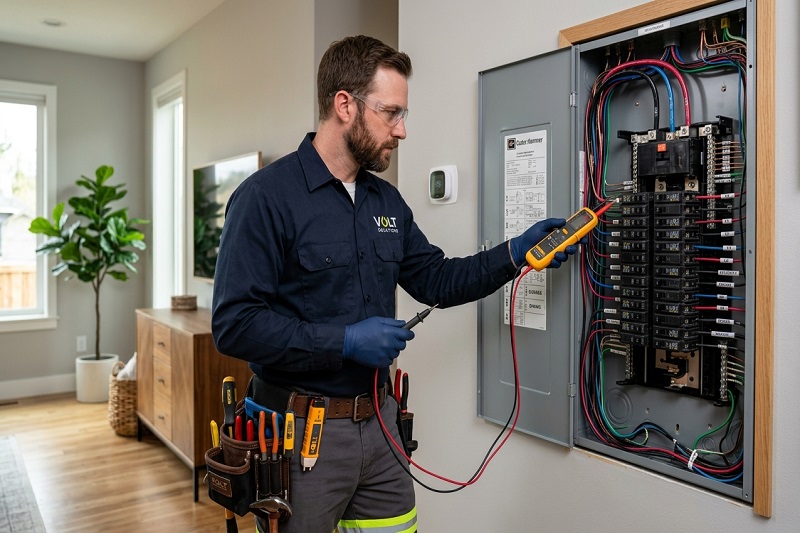
Have you ever wondered what’s actually going on behind your walls? Those hidden wires powering your home—are they safe? And what happens when something goes wrong with your electrical system? These questions might not cross your mind daily, but they absolutely should.
The truth is, electrical work isn’t something to take lightly. Every year in Australia, faulty wiring causes devastating house fires, serious injuries, and even deaths. What’s more, many of these incidents could have been prevented simply by hiring a qualified professional. Yet countless homeowners still attempt DIY electrical repairs or hire unlicensed workers to save a few dollars.
This guide matters because your family’s safety depends on understanding the risks involved with electrical work. We’ll explore what makes a licensed electrician different from unlicensed operators, why DIY electrical work is both dangerous and illegal, and how to find a reliable professional near you. Plus, you’ll learn about insurance implications, legal requirements, and the warning signs that your home needs electrical attention. By the end, you’ll have everything you need to make informed decisions about your home’s electrical safety.
What Is a Licensed Electrician?
Understanding Electrical Licensing in Australia
In Australia, electrical licensing is regulated at the state and territory level. Each jurisdiction has its own licensing authority that oversees qualifications, training requirements, and ongoing compliance. For instance, in New South Wales, electricians must be licensed through NSW Fair Trading, while in Victoria, it’s Energy Safe Victoria.
A licensed electrician has completed a formal apprenticeship, typically lasting four years, along with technical training at a registered training organisation. They’ve passed competency assessments and demonstrated their ability to perform electrical work safely. This isn’t just paperwork—it represents years of hands-on experience and theoretical knowledge.
The Difference Between Licensed, Registered, and Unlicensed Electricians
Understanding these distinctions is crucial. A <strong>licensed electrician</strong> holds a current licence permitting them to carry out electrical work independently. A <strong>registered electrician</strong> is typically an apprentice or someone working under supervision. An <strong>unlicensed electrician</strong>—well, they’re not really an electrician at all.
The difference isn’t just legal. Licensed professionals carry insurance, follow strict safety protocols, and can issue compliance certificates. Unlicensed operators offer none of these protections, putting you and your home at significant risk.
Why You Should Never Attempt DIY Electrical Work
Is It Illegal to Do Your Own Electrical Work in Australia?
The short answer? Yes, mostly. Australian law prohibits unlicensed individuals from performing almost all electrical work. You can change light bulbs and plug in appliances, but anything beyond that requires a licensed professional. This includes seemingly simple tasks like replacing power points, installing light fittings, or extending circuits.
These laws exist for good reason. Electricity is unforgiving—mistakes can be fatal. The regulations protect not just you, but future occupants of your home and emergency services personnel who might encounter your faulty work.
Common DIY Electrical Mistakes That Put Families at Risk
DIY enthusiasts often make dangerous errors without realising it. Incorrect wire connections, improper earthing, overloaded circuits, and inadequate insulation are just a few examples. These mistakes might not cause immediate problems, but they can create time bombs within your walls.
One particularly common mistake is using the wrong wire gauge for a circuit. This can cause wires to overheat under load, potentially sparking a fire. Another frequent error is failing to properly secure connections, which can loosen over time and create dangerous arcing.
The Real Cost of “Saving Money” with DIY Electrics
That $200 you “saved” by doing it yourself? It could cost you thousands in repairs, tens of thousands in fire damage, or—worst of all—someone’s life. When you factor in potential insurance claim rejections, legal penalties, and the cost of having a professional fix your mistakes, DIY electrical work rarely makes financial sense.
The Safety Risks of Unlicensed Electrical Work
Can Unlicensed Electrical Work Cause House Fires?
Absolutely. According to fire services across Australia, faulty electrical work is one of the leading causes of house fires. Improperly installed wiring, overloaded circuits, and poor connections can all generate dangerous amounts of heat. Often, these issues smoulder undetected for months or years before igniting.
The risk isn’t hypothetical. Families lose their homes—and sometimes their lives—to electrical fires caused by substandard work. Licensed electricians understand how to prevent these scenarios through proper installation techniques and compliance with Australian Standards.
Electrical Shock and Electrocution Dangers
Beyond fire risks, there’s the immediate danger of electric shock. Incorrectly wired circuits can energise metal surfaces, creating electrocution hazards. Something as simple as touching a light switch or metal tap could become deadly if the electrical work behind it was botched.
These dangers extend to anyone who enters your home. Guests, tradespeople, and even emergency responders could be at risk from faulty electrical installations you might not even know about.
Legal Requirements for Electrical Work in Australia
What Electrical Work Can I Do Myself Legally?
The list is surprisingly short. Legally, homeowners can typically only:
- Change light bulbs
- Replace plug-in appliances
- Change fuses in older switchboards
- Plug in and unplug electrical equipment
Everything else—including work that seems straightforward—requires a licensed electrician. This encompasses installing downlights, replacing power points, adding new circuits, and any work inside your switchboard.
Compliance Certificates and Why They Matter
When a licensed electrician completes work, they issue a Certificate of Compliance (sometimes called a Certificate of Electrical Safety). This document confirms the work meets Australian Standards and local regulations. It’s essential for insurance purposes, property sales, and rental compliance.
Without this certificate, you have no proof your electrical work is safe or legal. This can create serious problems when selling your home or making insurance claims.
Penalties for Unlicensed Electrical Work
The penalties for performing unlicensed electrical work are severe. Depending on your state, fines can exceed $40,000 for individuals. In cases where someone is injured, criminal charges—including manslaughter—are possible. These aren’t empty threats; prosecutions happen regularly.
Insurance and Liability Concerns
Will My Home Insurance Cover Unlicensed Electrical Work?
Here’s the uncomfortable truth: probably not. Most insurance policies exclude damage caused by unlicensed or non-compliant work. If a fire starts due to DIY electrical work, your insurer can reject your entire claim—leaving you to cover all losses yourself.
This applies even if you didn’t know the previous owner did unlicensed work. When purchasing a home, always request documentation for electrical work performed. It could save you from a devastating financial loss.
Protecting Your Investment and Your Home
Your home is likely your biggest asset. Protecting it means ensuring all work—especially electrical—is performed by qualified professionals. The compliance certificates and warranties that come with licensed work aren’t just paperwork; they’re safeguards for your investment.
How to Find a Reliable Licensed Electrician Near You
Questions to Ask Before Hiring an Electrician
Before engaging any electrician, ask these essential questions:
- Can you provide your licence number?
- Do you have current public liability insurance?
- Will you provide a compliance certificate upon completion?
- Can you supply references from recent clients?
A legitimate professional will answer these questions readily. Anyone who hesitates or becomes defensive should be avoided.
How to Verify an Electrician’s Licence
Every state maintains a public register where you can verify licence details. In Queensland, check with the Electrical Safety Office. In Victoria, use Energy Safe Victoria’s online tool. Take five minutes to verify credentials—it could save you enormous headaches later.
Red Flags to Watch Out For
Be wary of electricians who offer cash-only deals, provide quotes dramatically lower than competitors, or seem reluctant to discuss paperwork. These are classic signs of unlicensed operators trying to fly under the radar.
When Should You Call a Licensed Electrician?
Signs Your Home Needs Electrical Attention
Watch for these warning signs:
- Flickering or dimming lights
- Burning smells near outlets or switches
- Frequently tripping circuit breakers
- Warm or discoloured power points
- Buzzing sounds from switches or outlets
Any of these symptoms warrants immediate professional investigation. Don’t wait for a small problem to become a dangerous one.
Emergency Electrical Situations
Some situations require urgent attention. If you see sparks, smell burning from electrical sources, or experience a total power outage, call a licensed emergency electrician immediately. Never attempt to investigate electrical emergencies yourself.
Making the Smart Choice for Your Home and Family
When it comes to electrical work, there really is no debate. The risks of DIY attempts or unlicensed operators far outweigh any potential savings. From house fires and electrocution to voided insurance and legal penalties, the consequences can be catastrophic.
Hiring a licensed electrician isn’t just about following rules—it’s about protecting what matters most. Your family’s safety, your home’s value, and your peace of mind all depend on having electrical work done properly. The compliance certificates, warranties, and professional expertise that licensed electricians provide are investments in your future security.
So next time you’re tempted to tackle an electrical job yourself or hire that suspiciously cheap operator, remember what’s at stake. Take a few minutes to verify credentials, ask the right questions, and choose a qualified professional, such as a trusted electrician in Cambridge, to ensure the job is completed safely and to the highest standard. Your family—and your home—deserve nothing less.